

News



SUBHEADING
Blog posts


🚿 Signs Your Hair Is Overwashed

-
Your scalp feels tight or dry after washing.
Instead of feeling balanced, your scalp feels stretched or uncomfortable. This means your natural oils are being stripped too often. -
Your hair gets oily faster.
Ironically, overwashing can trigger your scalp to produce more oil to compensate. So you wash more… and the cycle continues. -
You notice more hair falling in the shower.
While some shedding is normal, excessive washing, especially with harsh shampoos, can weaken strands and increase breakage. -
Your strands feel rough, brittle, or straw-like
Healthy hair should feel soft and flexible. If it feels dry and lifeless, you may be over-cleansing away essential moisture. -
Your scalp becomes itchy or flaky.
Overwashing can disrupt your scalp barrier, leading to irritation, dandruff-like flakes, or sensitivity. -
Your hair lacks shine and looks dull.
Natural oils give your hair that healthy glow. Without them, your hair can look flat and tired. -
Your ends split more easily.
Dryness from overwashing weakens the hair shaft, making split ends more frequent—even if you trim regularly.
⚖️ Why Overwashing Backfires
Your scalp naturally produces sebum, an oil that protects, hydrates, and strengthens your hair. When you wash too often, you strip away this protective layer.
Think of it like skincare: if you cleanse your face too often, it can become dry and irritated. The same principle applies to your scalp.
That’s why choosing the right shampoo and using it at the right frequency matters more than just “washing often.”
🧴 Smarter Washing with the Right Shampoo
If you’re trying to fix overwashing damage, switching to a more balanced formula is a great first step.
A product like Follicle Booster Hair Growth Shampoo is designed not just to cleanse, but to support scalp health while encouraging stronger, healthier hair growth.
Instead of aggressively stripping oils, it helps maintain a healthier environment for your hair follicles.
Here’s how to use it effectively:
- Wash 2–4 times a week, depending on your hair type.
- Focus on gentle scalp cleansing, not scrubbing your ends.
- Let your natural oils do their job in between washes.
💡 The Goal: Balance, Not Excess
Healthy hair isn’t about being squeaky clean every day, it’s about balance. When your scalp is properly nourished, your hair becomes stronger, shinier, and more resilient.
If you’re seeing multiple signs above, it might be time to step back from daily washing and let your hair recover.
Because sometimes, doing less is exactly what your hair needs to grow more.

Why Testing Testosterone Might Be the Missing Piece in Your Hair Loss Journey
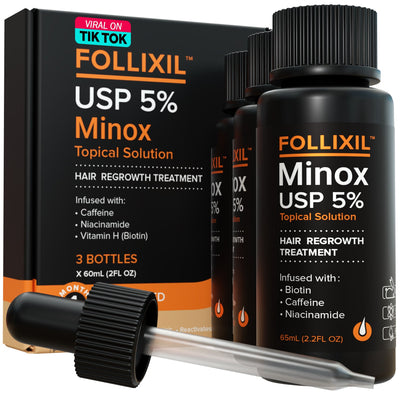
You might be doing everything right, using hair products, trying treatments, even applying solutions like Minoxidil, but your hair still seems to thin or shed more than usual.
It can feel frustrating, especially when results don’t match your effort. But here’s something many people overlook: your hormones, especially testosterone, could be playing a major role in your hair loss.
Before you double down on treatments, it might be time to understand what’s happening beneath the surface.
How Testosterone Affects Hair Loss

Testosterone itself isn’t the direct villain, but its byproduct is.
When testosterone converts into dihydrotestosterone (DHT), it can shrink hair follicles over time. This process is linked to Androgenetic Alopecia, commonly known as male or female pattern baldness.
Here’s what happens:
• Hair follicles gradually become smaller
• Hair strands grow thinner and weaker
• Growth cycles shorten
• Eventually, hair stops growing in certain areas
• Hair strands grow thinner and weaker
• Growth cycles shorten
• Eventually, hair stops growing in certain areas
This is why some people lose hair even if they’re otherwise healthy.
Signs Your Hair Loss Might Be Hormonal

Not all hair loss is caused by hormones, but some patterns strongly suggest it.
Watch out for:
• Receding hairline or thinning crown
• Gradual, long-term shedding
• Family history of hair loss
• Oily scalp or acne (linked to higher DHT)
• Hair getting finer over time
• Gradual, long-term shedding
• Family history of hair loss
• Oily scalp or acne (linked to higher DHT)
• Hair getting finer over time
If this sounds familiar, using treatments alone without testing hormones is like solving only half the problem.
Where Minoxidil Fits In

Minoxidil is one of the most popular and effective over-the-counter treatments for hair loss, and for good reason.
It works by:
• Increasing blood flow to the scalp
• Extending the hair growth phase
• Stimulating weaker follicles to grow thicker strands
• Extending the hair growth phase
• Stimulating weaker follicles to grow thicker strands
Many people see visible improvement after consistent use.
Why Testosterone Testing Matters
Instead of guessing, a simple test can give you clarity.
Testing your testosterone levels helps you:
• Understand if hormones are contributing to hair loss
• Identify imbalances early
• Avoid relying only on topical solutions
• Build a more complete treatment plan
• Identify imbalances early
• Avoid relying only on topical solutions
• Build a more complete treatment plan
A basic blood test, usually done in the morning, is quick and widely available.
And here’s the truth: some people keep switching products when the real issue is internal.
Combining the Right Approach
The best results often come from combining strategies rather than choosing just one.
A more complete plan may include:
• Using Minoxidil consistently
• Testing testosterone and monitoring hormone levels
• Managing stress and improving sleep
• Eating nutrient-dense foods that support hair health
• Testing testosterone and monitoring hormone levels
• Managing stress and improving sleep
• Eating nutrient-dense foods that support hair health
In some cases, doctors may recommend treatments that help reduce DHT, but that decision should always be based on proper testing.
Hair loss isn’t just about what you apply to your scalp; it’s also about what’s happening inside your body.
Minoxidil is powerful, but it works best when you understand the bigger picture.
If your hair isn’t responding the way you hoped, don’t just switch products.
Pause, test, and get clarity.
Pause, test, and get clarity.
Because real progress doesn’t come from guessing,
It comes from understanding your hormones and treating the root cause.
It comes from understanding your hormones and treating the root cause.

Scrolling, Stress, and Shedding: How Modern Life Impacts Your Hair
Modern life moves fast. Between endless notifications, demanding schedules, lack of sleep, and constant screen time, stress has quietly become part of everyday living. While many people notice its effects on energy, mood, and skin, fewer realize that stress can also impact hair health. This is why many people are now adding a quality hair loss shampoo to their routine to help support scalp care and healthier-looking hair.

If you have recently noticed more strands in the shower or reduced hair volume, your daily lifestyle habits could be playing a bigger role than you think. From emotional stress to unhealthy routines, modern living may contribute to increased shedding and weaker-looking hair over time.
How Stress Affects Your Hair
When the body experiences ongoing stress, it may shift more hair follicles into the resting phase of the growth cycle. This can lead to noticeable shedding weeks or even months later. Emotional pressure from work, finances, relationships, or social media comparison can all contribute to this cycle.

Constant exposure to unrealistic beauty standards online may also increase anxiety and lower confidence, especially for people already concerned about thinning hair. The result is often a stressful cycle where worry about appearance creates even more stress on the body.
Modern Habits That May Be Making Things Worse
Many everyday routines that seem harmless can slowly affect scalp and hair health. Here are some of the biggest modern lifestyle factors linked to increased shedding:
-
Too Much Screen Time
Late-night scrolling often leads to reduced sleep quality. Poor sleep may affect hormone balance and recovery, both of which are important for healthy hair growth. -
High Stress Levels
Chronic stress may increase cortisol levels, disrupting the natural hair growth cycle and contributing to excessive shedding. -
Poor Eating Habits
Busy schedules sometimes lead to skipped meals or processed foods lacking essential nutrients. Hair needs protein, iron, zinc, and vitamins to stay strong and healthy. -
Overstyling for Social Media Trends
Frequent heat styling, bleaching, tight hairstyles, and chemical treatments can weaken strands, making thinning appear more severe. -
Lack of Scalp Care
Many people focus only on styling while ignoring scalp health. A healthy scalp creates a better environment for stronger-looking hair. -
Using the Wrong Products
Heavy products or harsh formulas may irritate the scalp or leave buildup behind. Choosing a quality hair loss shampoo designed for thinning hair concerns can help support a cleaner, healthier scalp routine.
Why Consistency Matters
One common mistake people make is expecting immediate results after changing their routine. Hair growth takes time, and healthier habits usually show gradual improvements rather than an overnight transformation.
Simple changes like improving sleep, managing stress levels, staying hydrated, and using supportive hair products consistently may help improve the appearance of thinning hair over time. Incorporating a gentle hair loss shampoo into your routine can also help cleanse excess oil and buildup while supporting scalp health.
Small Lifestyle Changes Can Make a Difference
You do not need to completely disconnect from modern life to support healthier hair. Small, realistic adjustments often have the biggest long-term impact. Taking breaks from social media, reducing stress where possible, exercising regularly, and maintaining a balanced diet can all contribute to better overall wellness and healthier-looking hair.
Modern stress may be unavoidable at times, but your daily habits still matter. Caring for your body, scalp, and mental well-being together can help you feel more confident while creating a stronger foundation for healthier hair in the long run.