


Hair fall is no longer just an issue for older adults. Increasingly, members of Gen Z are noticing thinning hair, shedding, and other scalp concerns. While some people dismiss this as a temporary trend, research and expert opinions suggest it’s a genuine issue influenced by lifestyle, diet, stress, and environmental factors. So, is Gen Z’s hair fall a myth or a real problem? The answer leans heavily toward true, and here’s why.
- Stress and Mental Health: Gen Z faces unprecedented levels of stress due to academic pressures, social media, and the uncertainties of modern life. Stress can trigger a type of hair loss called telogen effluvium, where hair prematurely enters the shedding phase. To counteract this, many are turning to products like scalp massagers to increase blood circulation and calm the scalp.
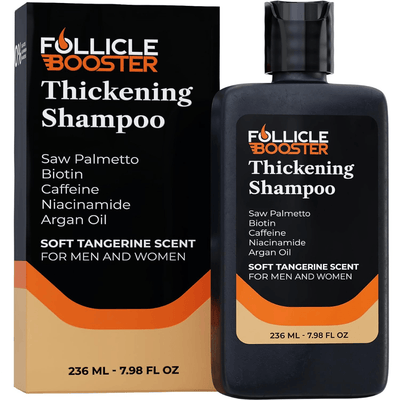
- Diet and Nutritional Deficiencies: Poor diet, skipping meals, and nutrient imbalances are standard in today’s fast-paced lifestyle. Lack of essential vitamins and minerals, especially iron, zinc, and biotin, can weaken hair follicles and accelerate shedding. Supplementing with hair-friendly nutrients and using a hair loss shampoo enriched with vitamins and plant extracts can strengthen strands from root to tip.
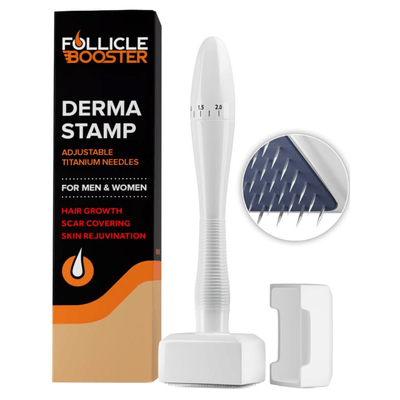
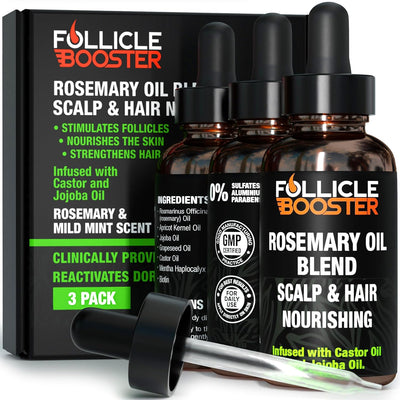
- Excessive Hair Styling and Chemical Use: Daily heat styling, bleaching, coloring, and tight hairstyles can stress hair shafts and follicles, leading to breakage and long-term thinning. Tools like a derma stamp can help promote scalp regeneration and improve the absorption of topical treatments, while natural oils, such as rosemary oil, soothe inflammation and nourish follicles.
-
Environmental Factors: Pollution, UV exposure, and harsh water can damage the scalp and hair. Using protective products, such as gentle hair-loss shampoos, and applying oils, such as rosemary oil, can reduce oxidative stress and maintain scalp health. Additionally, regular scalp massage can improve blood flow, supporting hair growth and follicle strength.

-
Genetics and Early-Onset Conditions: Some Gen Z individuals may experience early signs of androgenetic alopecia (pattern baldness) due to a genetic predisposition. Early intervention with treatments and consistent scalp care, and lifestyle adjustments can slow progression and improve hair density over time.

While it may seem alarming that young adults are experiencing hair loss, there are effective strategies to manage and prevent further loss. Combining scalp stimulation with a scalp massager or derma stamp, nourishing oils like rosemary oil, and supportive hair care products such as hair loss shampoo creates a comprehensive approach to hair health.
Gen Z’s hair fall is not a myth, it’s a growing reality influenced by lifestyle, environmental factors, genetics, and modern stressors. However, with the proper care routine, awareness, and early interventions, shedding can be managed, hair can be strengthened, and confidence restored. By taking proactive steps now, young adults can protect their hair health for the future while enjoying the benefits of scientifically supported treatments.


